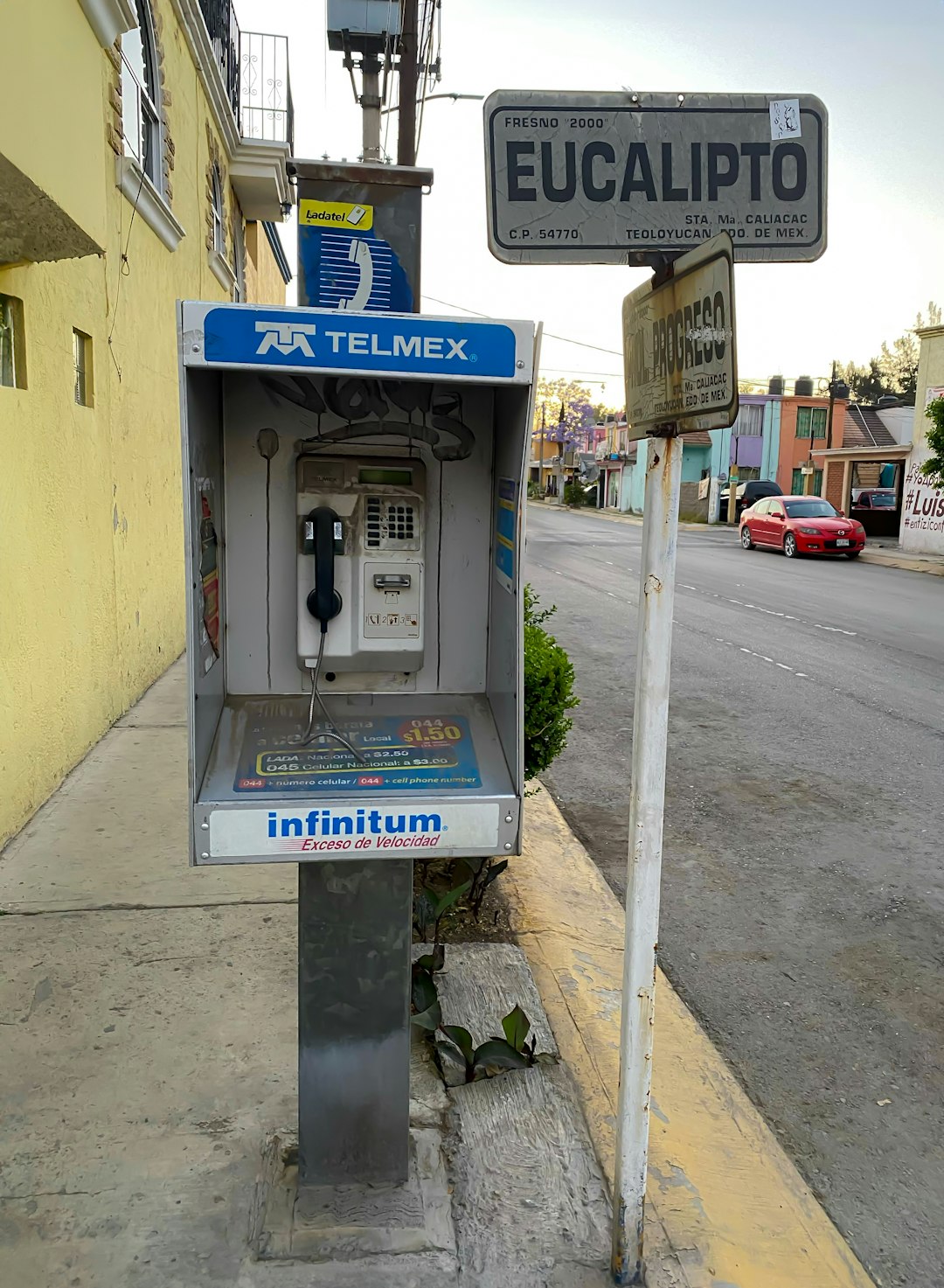
Texas debt collection laws, including the Texas Debt Collection Act (TDCA) and Federal laws like the Telephone Consumer Protection Act (TCPA), protect consumers from harassing practices by spam call law firms Texas. Key protections include limits on repeated calls, false statements, and privacy rights. Debtors can validate debts, limit collector contacts, and consult Spam Call law firm Texas attorneys if rights are violated. Compliance with these laws helps avoid penalties, fosters trust, and reduces costs for creditors. Texans facing abusive practices can file complaints with relevant agencies. Staying informed and engaging with legal advisors is crucial to navigate these regulations effectively.
In today’s digital age, the intersection of debt collection practices and privacy laws has become a complex web affecting millions across Texas. With the proliferation of Spam Call law firms targeting residents, ensuring compliance with robust privacy regulations is more critical than ever to protect consumers from invasive tactics. This authoritative piece delves into the intricate landscape of Texas’ privacy laws pertaining to debt collection, offering valuable insights for both industry professionals and individuals navigating this delicate balance. By exploring key legislation, case studies, and best practices, we equip readers with the knowledge to safeguard privacy rights and foster ethical collections.
Understanding Texas Debt Collection Laws: A Comprehensive Overview

Texas debt collection laws are designed to protect consumers from aggressive and unfair practices while ensuring creditors can recover their debts. At the heart of these regulations is the Texas Debt Collection Act (TDCA), which outlines specific guidelines for debt collectors operating within the state. Understanding these laws is crucial for both debtors and creditors alike, as non-compliance can result in significant penalties, including financial fines and legal repercussions.
One key aspect of the TDCA is the restriction on certain collection methods, particularly those deemed harassing or abusive. This includes repeated phone calls with the intent to annoy, spam call law firms Texas, or using false or misleading statements during communication. Debtors have the right to request validation of their debt, requiring creditors to provide proof of the amount owed and the basis for collection. Furthermore, the act limits the number of times a debt collector can contact a debtor in a day or week, ensuring some level of privacy and peace of mind.
Practical advice for consumers includes maintaining detailed records of all communication with debt collectors, including dates, times, and content. If a debtor believes their rights have been violated, they should document the incidents thoroughly and consult with an attorney specializing in consumer law. For creditors, adhering to these laws not only avoids legal trouble but also fosters a more positive relationship with debtors, potentially leading to quicker payments and reduced collection costs. Regularly reviewing and updating debt collection practices to align with current Texas laws is essential for any organization involved in this sector.
The Role of the FTC and TCPA in Protecting Consumers

The Federal Trade Commission (FTC) and the Telephone Consumer Protection Act (TCPA) play pivotal roles in safeguarding consumer privacy during debt collection processes in Texas. These regulatory bodies have established guidelines to curb abusive practices, ensuring that debt collectors maintain ethical standards and respect individual rights. The FTC, as a federal agency, enforces various consumer protection laws, including those related to telemarketing and debt collection. Its rules mandate clear and concise communication from debt collectors, prohibiting misleading or deceptive statements, which is particularly relevant in Texas, where spam call law firm cases have been on the rise.
The TCPA, on the other hand, is a stringent federal statute designed to protect consumers from unwanted telephone solicitations. It restricts debt collectors from using automated dialing systems or prerecorded messages without prior express consent, significantly reducing the instances of harassing spam calls. This law has been instrumental in empowering Texans to take legal action against persistent and unauthorized debt collection practices. For instance, a recent study revealed that states with stricter TCPA regulations experience lower rates of consumer complaints related to debt collection abuse.
Additionally, both the FTC and TCPA offer consumers valuable resources and avenues for redress. The FTC provides educational materials and assists in resolving disputes, while the TCPA offers financial remedies for violations. Texas residents facing questionable debt collection practices can file complaints with these agencies, which may lead to investigations and penalties against offending entities, including law firms engaging in spam calls. By leveraging these regulatory tools, consumers can actively protect their privacy rights and ensure fair treatment during debt collection endeavors.
Navigating Spam Call Regulations: What Debtors Need to Know

Navigating Spam Call Regulations is a crucial aspect of debt collection law in Texas. The state has implemented stringent measures to protect consumers from abusive practices, especially regarding unsolicited telephone communications. According to the Federal Trade Commission (FTC), spam calls account for nearly 50% of all phone calls in the U.S., with Texas ranking among the highest states in terms of consumer complaints related to these calls. This underscores the importance of understanding and adhering to the Spam Call law firm Texas regulations.
Debtors in Texas are shielded from excessive and nuisance calls through the Texas Debt Collection Act (TDCA) and the Telephone Consumer Protection Act (TCPA). The TCPA, a federal law, prohibits automated or prerecorded calls to cellular phones without prior express consent. In Texas, the TDCA complements these federal protections by limiting debt collectors’ contact methods and requiring them to obtain valid addresses and phone numbers from debtors. A violation of either act can result in significant penalties for debt collection agencies, underscoring the need for compliance.
Practical advice for debtors facing such issues includes maintaining detailed records of all communications with debt collectors, including dates, times, and content. If a debtor feels their rights are violated, they should document each incident and consult with a Spam Call law firm Texas to explore legal options. Many debt collection agencies attempt to resolve disputes quickly through settlement negotiations; however, debtors have the right to seek formal legal action if they believe their privacy has been infringed upon. By staying informed about their rights and proactively engaging with reputable legal advisors, consumers can better navigate these regulations and protect themselves from abusive debt collection practices.
Legal Rights and Remedies for Unfair Debt Collection Practices

In Texas, debt collection practices are governed by a comprehensive legal framework designed to protect consumers from unfair or abusive tactics. The Texas Debt Collection Act (TDCA) outlines specific rights and remedies for individuals facing debt collection, ensuring fair and transparent interactions with collectors. One of the key provisions is the restriction on certain collection methods, including spam call law firm Texas operations that employ harassing, deceptive, or oppressive practices. For instance, collectors cannot call consumers at unreasonable times or use false or misleading representations to intimidate or coerce them into making payments.
Consumers in Texas have several avenues for redress if they believe their rights have been violated. They can file a complaint with the Texas Attorney General’s Office, which has authority to investigate and take action against debt collection practices that breach state laws. Additionally, individuals may seek legal recourse through private litigation, consulting with an experienced spam call law firm Texas attorney who specializes in consumer protection cases. This legal expertise can be crucial in navigating complex regulations and securing compensation for damages incurred due to unfair debt collection practices.
Practical advice for consumers facing such issues includes maintaining detailed records of interactions with collectors, including dates, times, and a log of communications. These documents can serve as compelling evidence if a violation is identified. Furthermore, consumers should never provide sensitive financial information over the phone unless they have initiated the call and are certain of the collector’s legitimacy. By being proactive and informed, individuals can better protect themselves from potential violations of their privacy rights in debt collection scenarios.
Enforcement and Penalties: Holding Collection Agencies Accountable

Texas has stringent privacy laws to protect consumers from abusive debt collection practices, with a particular focus on holding collection agencies accountable. The Texas Debt Collection Act (TDCA) outlines clear guidelines for fair and ethical debt collection, including strict enforcement mechanisms against violators. One of the key aspects is the Spam Call law firm Texas, which prohibits collection agencies from making harassing or abusively frequent phone calls to debtors. This legislation ensures that consumers are not subjected to relentless contact, providing them with a level of protection against overzealous collection efforts.
Enforcement of these laws involves the Texas Attorney General’s Office, which actively monitors and investigates complaints related to debt collection abuses. Individuals who believe their privacy rights have been infringed upon can file formal complaints, leading to potential legal action against the offending collection agency. The AG’s office has the authority to issue cease-and-desist letters, fine agencies for violations, and even bring civil lawsuits to recover damages on behalf of affected consumers. For instance, in recent years, several large debt collection firms have been penalized for violating Texas’ Spam Call law, resulting in substantial financial settlements and changes to their collection practices.
To protect oneself against potential abuse, Texas residents should be aware of their rights under the TDCA. This includes the right to request validation of the debt, limiting contact to reasonable hours, and stopping further communication if certain criteria are met. Furthermore, consumers can actively seek legal counsel from a Spam Call law firm Texas to understand their options and take proactive measures to safeguard their privacy. By staying informed and asserting their rights, individuals can ensure that debt collection activities remain within legal boundaries, fostering a more accountable and transparent collection process.